Platform Engineering Roadmap: Best Practices You Need To Know
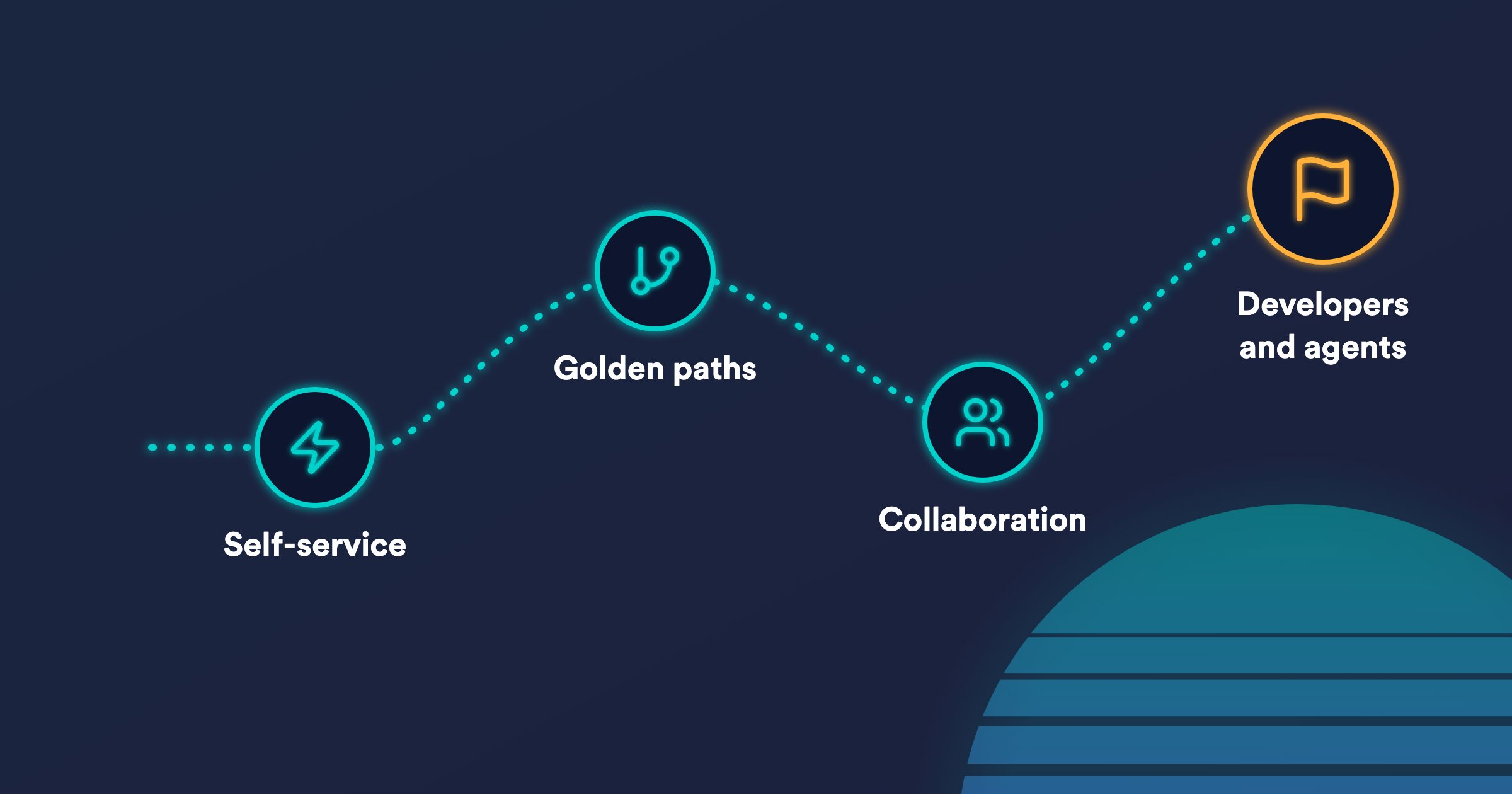
A roadmap for platform engineering teams, built on self-service environments, golden paths, and collaboration, for developers and coding agents.
 Arsh Sharma
Emojiologist 😜
View all authorsA roadmap for platform engineering teams, built on self-service environments, golden paths, and collaboration, for developers and coding agents.
Arsh Sharma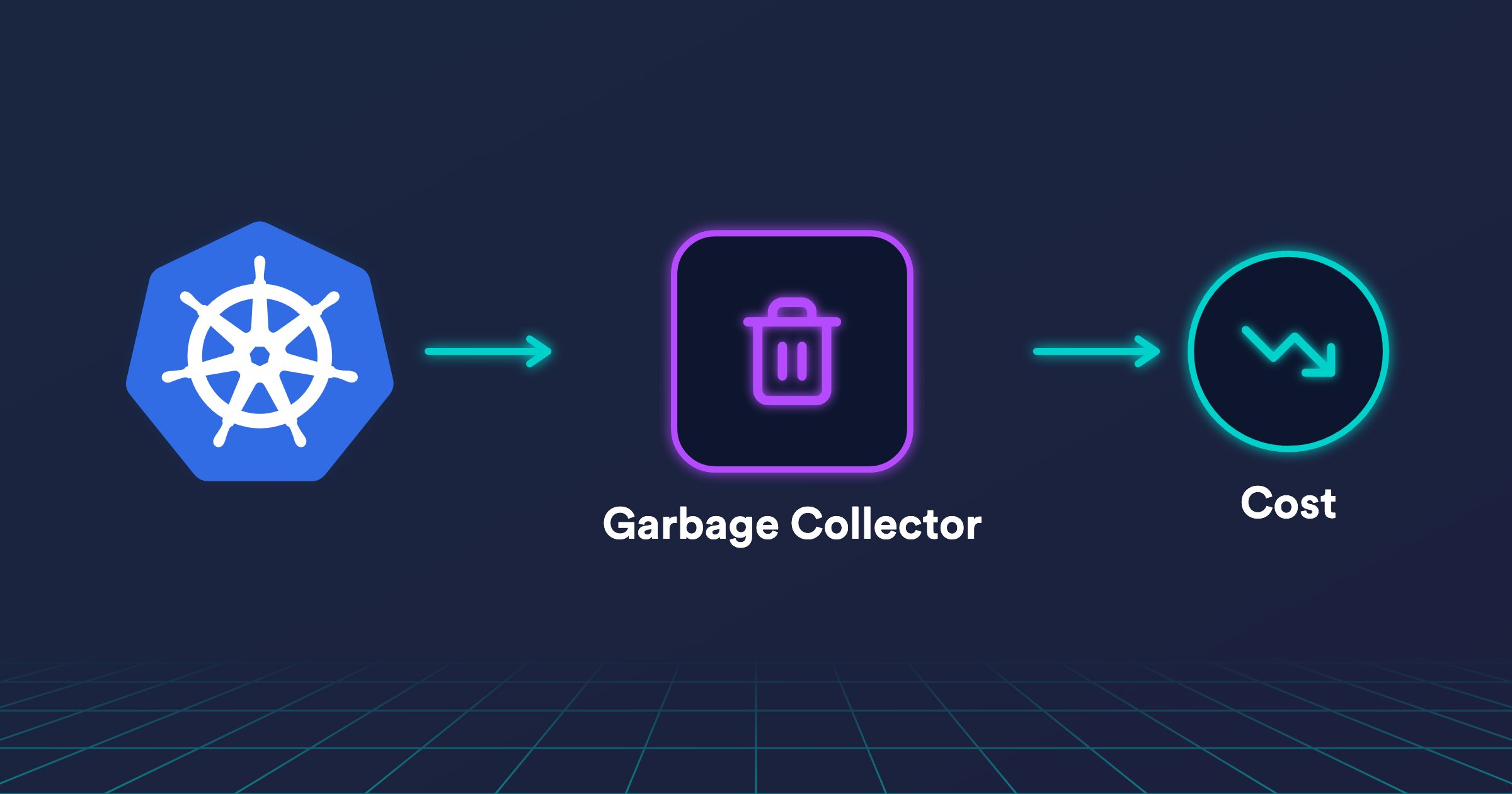
Using Kubernetes can be quite costly, to be frank. Regardless of the cloud provider you choose for your cluster, there are expenses associated with the deployed applications and the cloud resources they consume. If you're considering adopting Kubernetes-based development and preview environments, you may wonder how to effectively manage these costs. Let's delve deeper into the topic and explore Okteto's Garbage Collector feature, which automates resource management to help reduce cloud infrastructure expenditures.
Arsh Sharma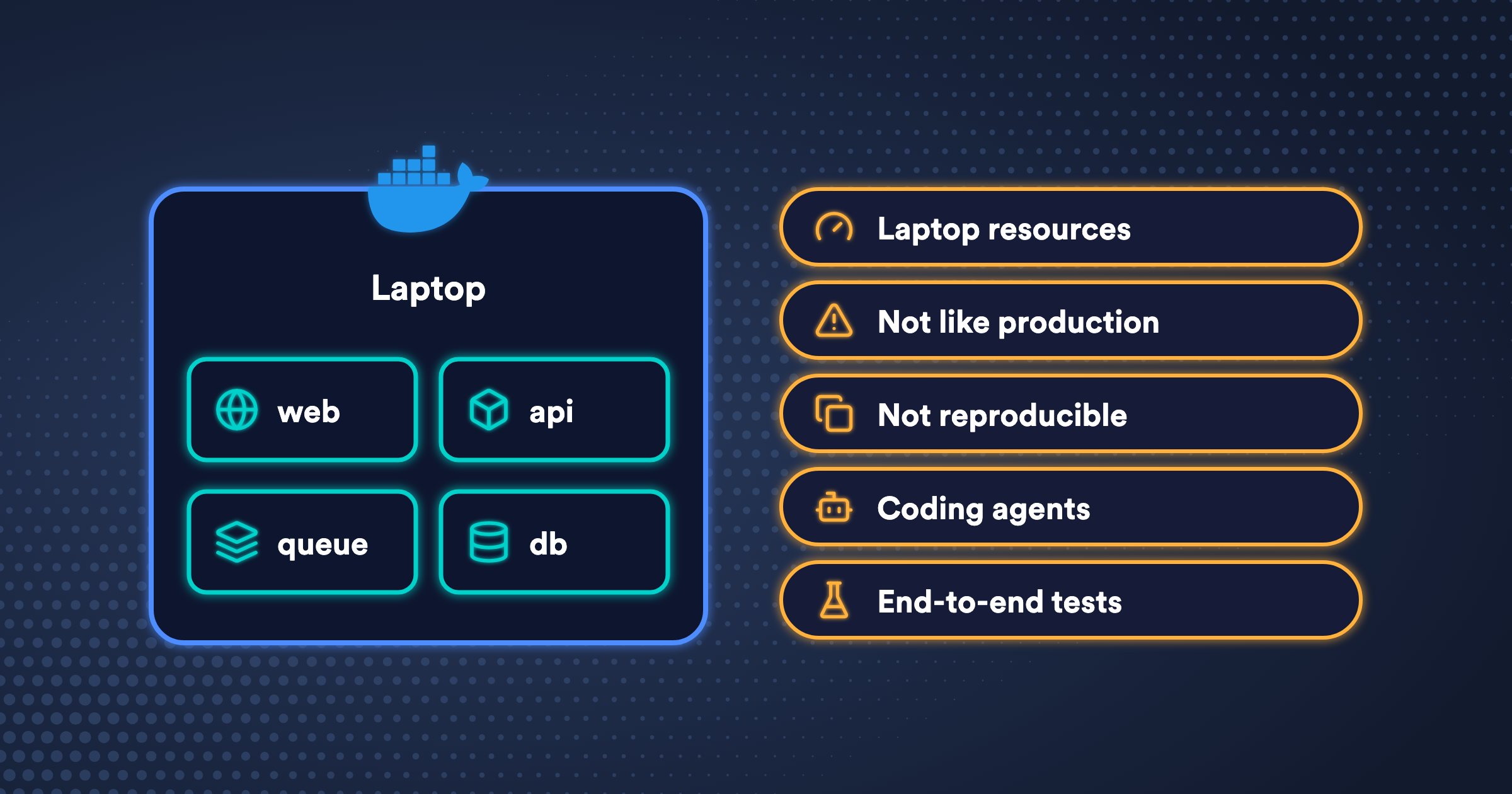
After the popularization of containers, a lot of the development workflow started leaning on Docker Compose. Developers would have a Docker Compose file which defined how to build the container images for all their services, what ports to expose, and have volumes attached to their containers. They would then run the containers locally and leverage the attached volumes to develop their application. However, there are a lot of limitations in this flow which not only hamper developer productivity but can also cause security issues and bugs. Let's discuss some of these and see how using Okteto you can fix these problems.
Arsh Sharma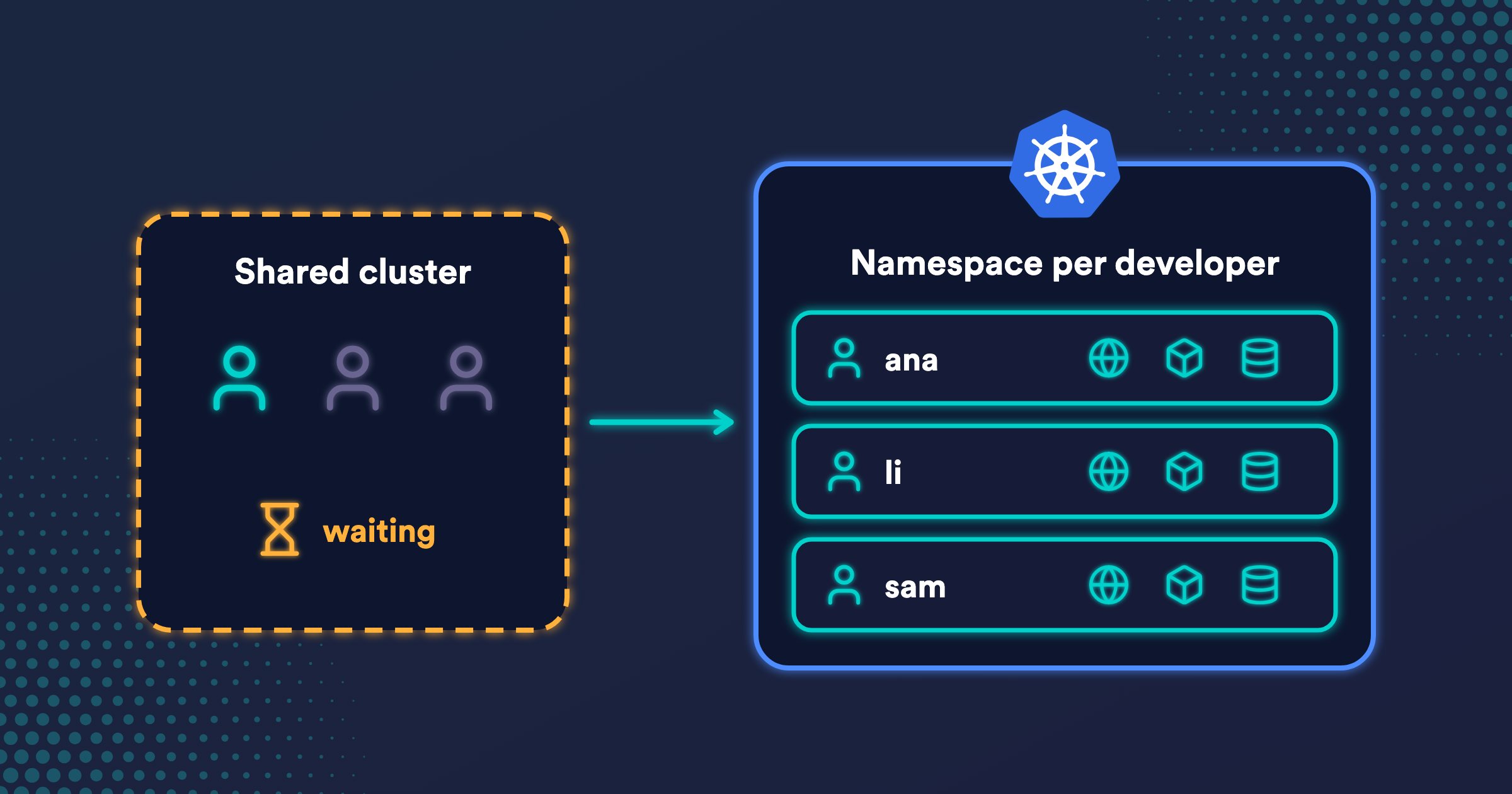
Transitioning from development to production is always challenging. There's that underlying fear of overlooking something crucial, such as misconfigurations or misspelled environment variables, which can lead to broken systems. The advent of Kubernetes and other cloud-native technologies has further compounded this complexity. In this article, we will delve into the prevalent strategies that organizations employ to tackle these challenges, examine their possible limitations, and explore how Okteto not only resolves those issues but also provides valuable additional features!
Arsh Sharma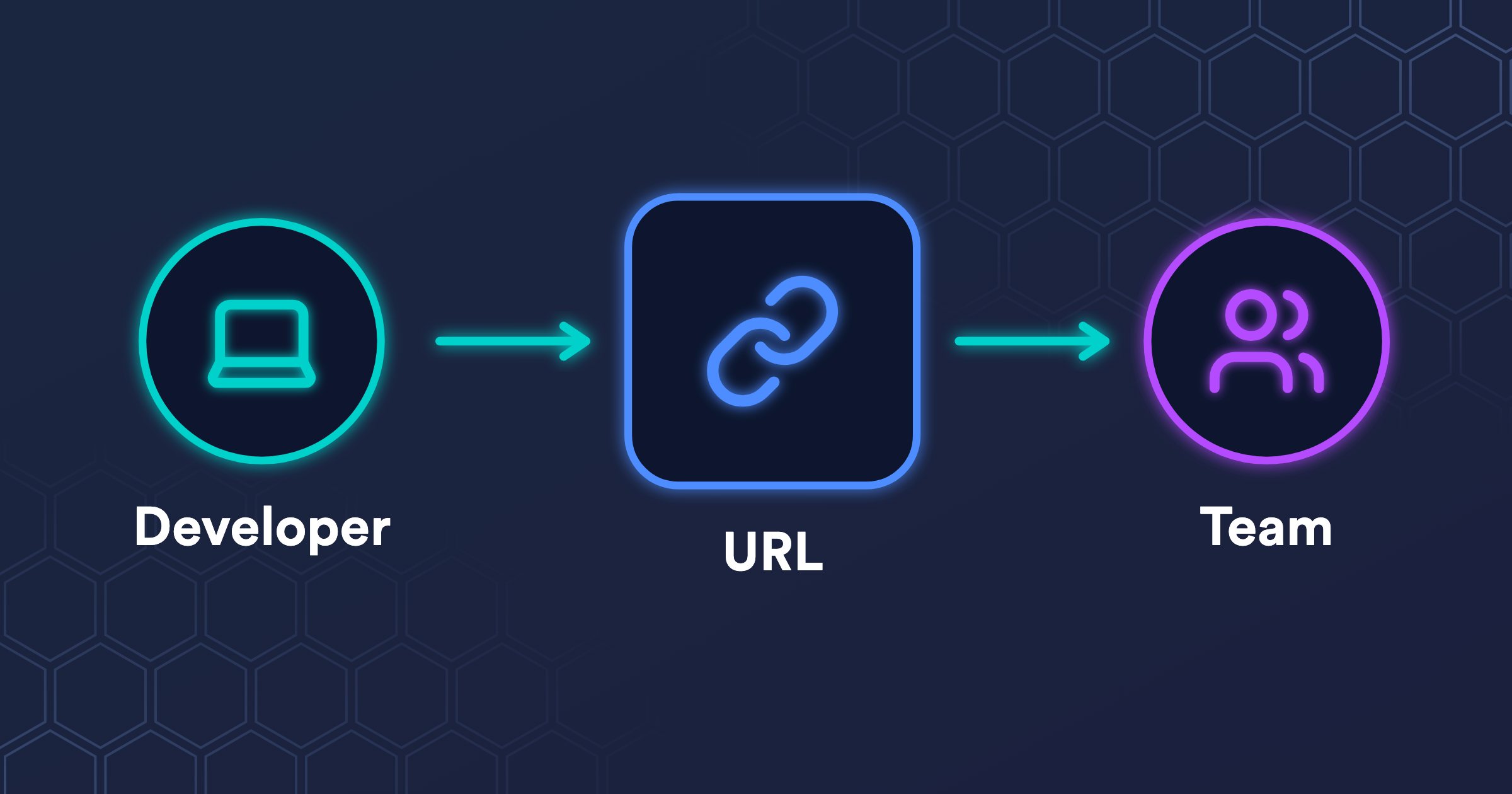
Collaboration is essential in modern application development. To iterate quickly, an efficient way to show and receive feedback on changes from everyone across your organization is necessary. This includes not only developers, but also product, sales, marketing, and design teams.
Arsh Sharma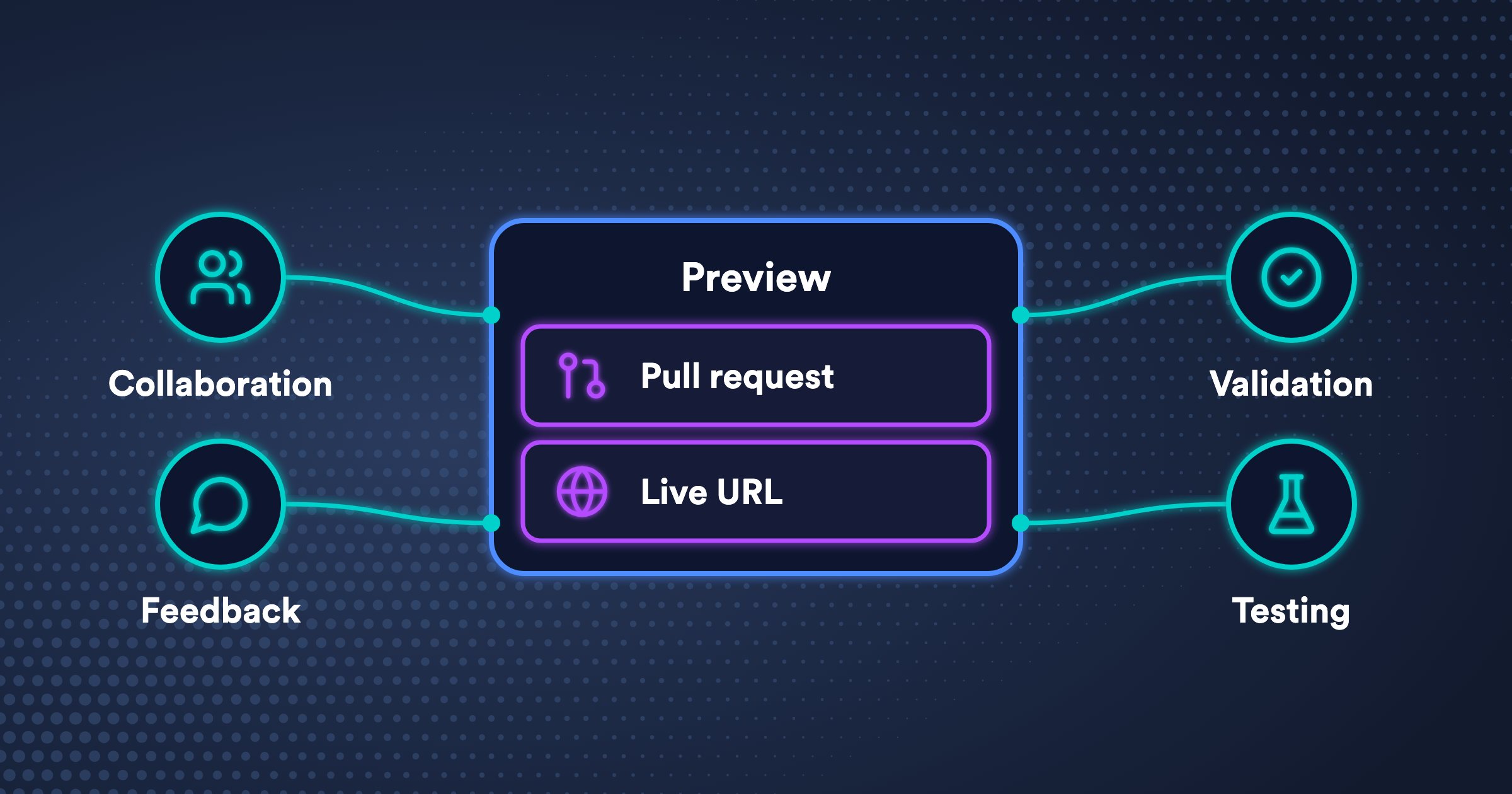
There has been a rapid increase in the adoption of Preview Environments across organizations. From open-source projects to enterprise organizations, everyone seems to agree on their usefulness in helping ship applications faster. If you're not familiar with Preview Environments, they basically deploy the changes present in a Pull Request (PR) or Merge Request and provide a shareable link to access them!
Arsh Sharma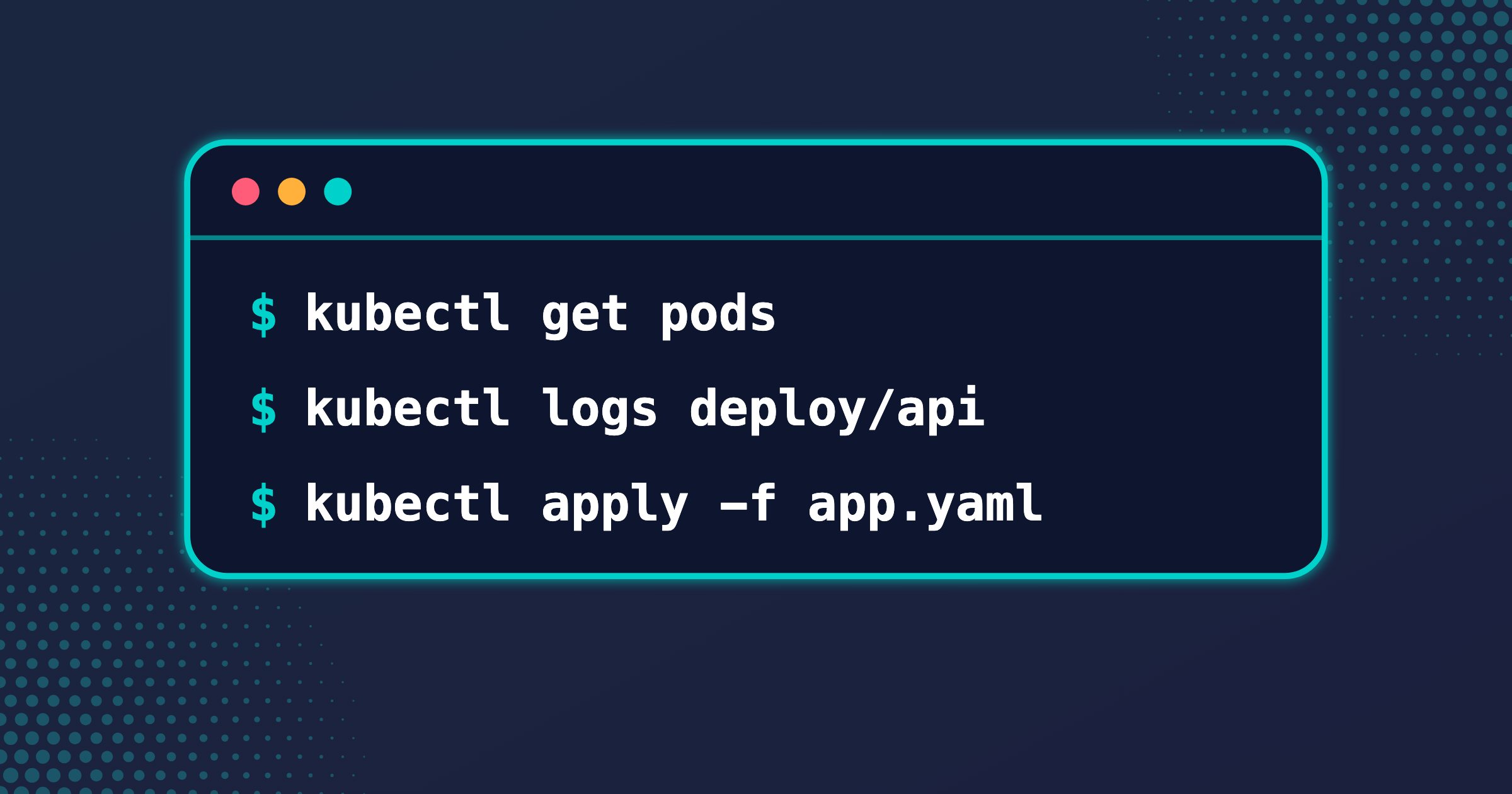
The kubectl commands you use most often to work with a Kubernetes cluster, its namespaces, resources, and nodes, with what each one does.
Arsh Sharma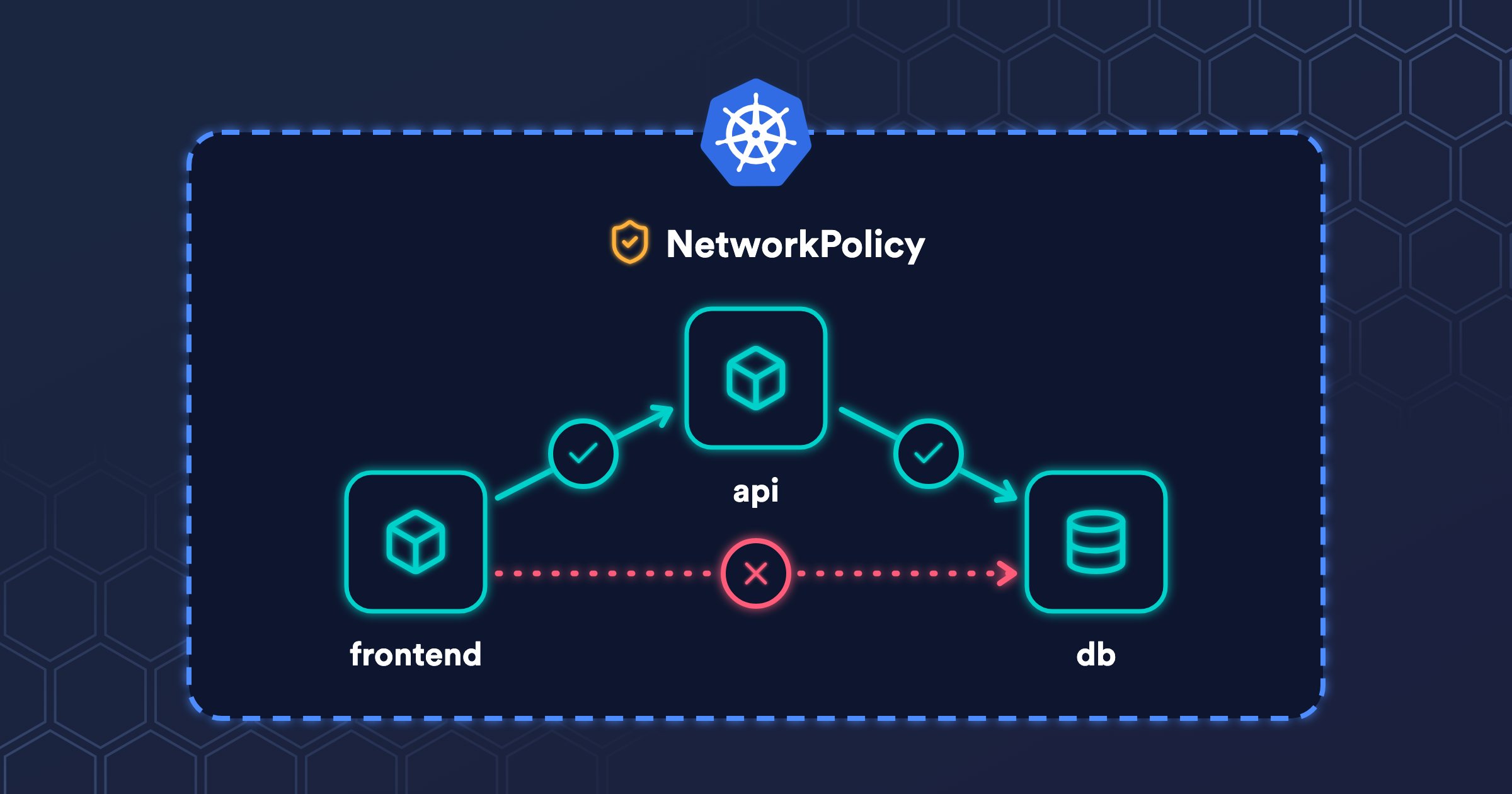
What Kubernetes Network Policies are, how to write their rules, and how to apply a default deny policy and allow only the traffic your pods need.
Arsh Sharma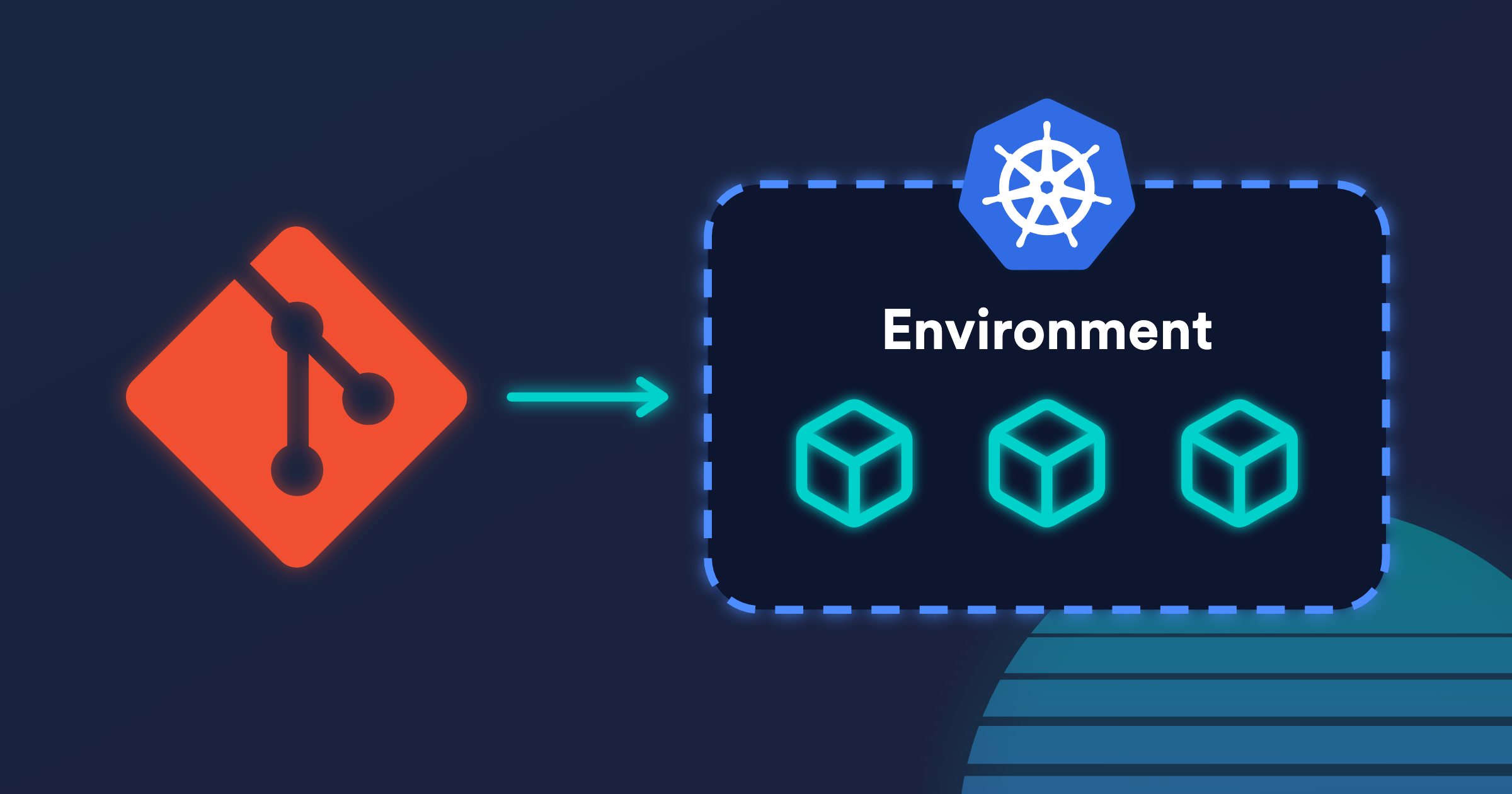
GitOps made Git the source of truth for production. Apply the same principles to the environments where developers, pull requests, and coding agents run your application.
Arsh Sharma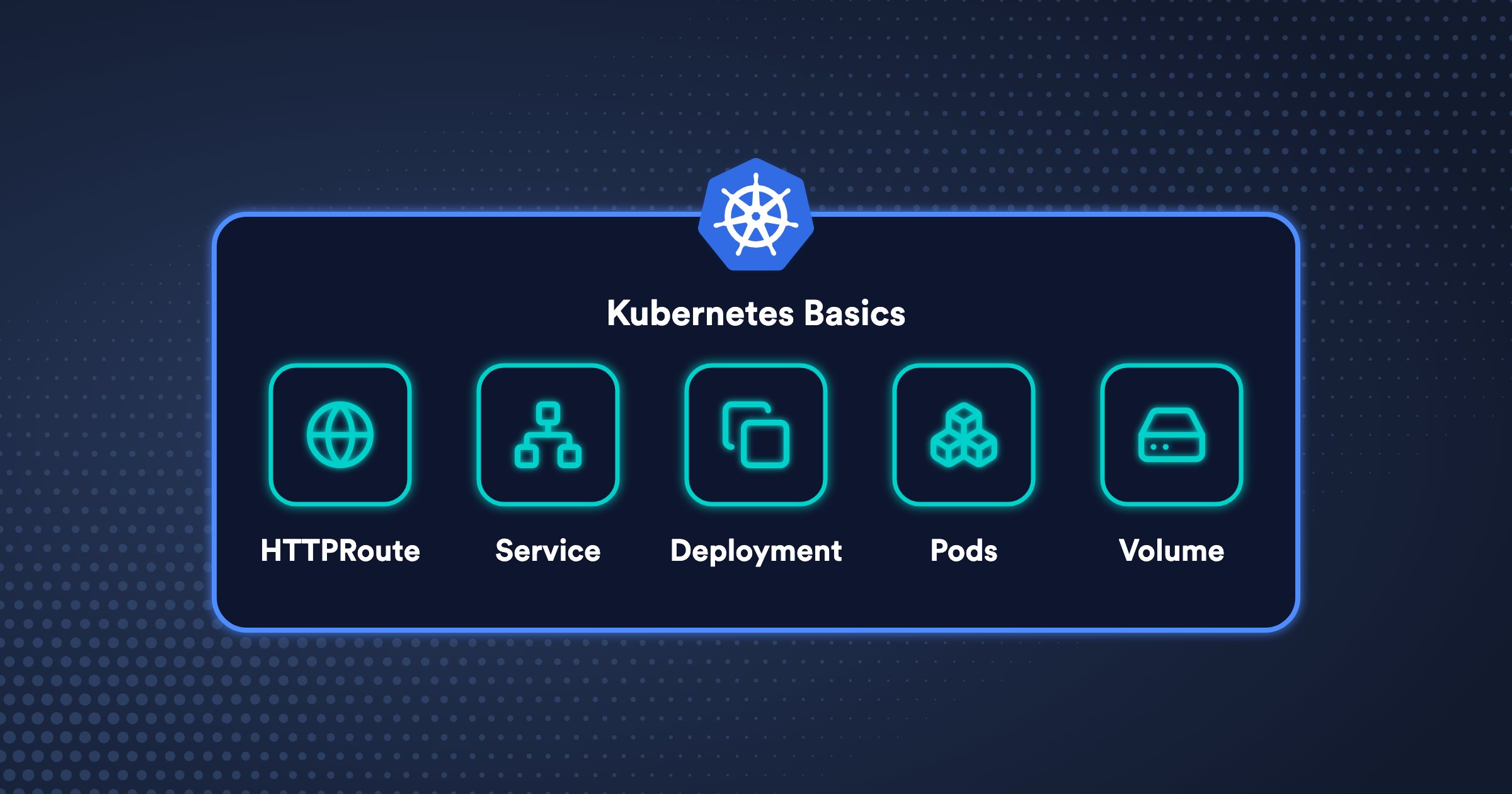
What a developer needs to know to get started with Kubernetes: its architecture, Pods, Deployments, Namespaces, ConfigMaps, Secrets, storage, Services, and the Gateway API.
Arsh SharmaSubscribe to our newsletter
What we learn running development environments and coding agents on Kubernetes, in your inbox.
About Okteto
Okteto gives every developer, coding agent and pull request an on-demand environment on your Kubernetes.